
Ironsmith's Daughter
IRONSMITH’S DAUGHTER is the THIRD track on RICHELE’S second EP, Eladia UNDER HER MUSICAL MONIKER, HELE.
A R T I S T ‘ S N O T E S
by Hele
WHAT EVEN ARE DREAMS? Why are some garbled and nonsensical and others so real and tactile that the loss of the other place, the other life, is palpable upon waking?
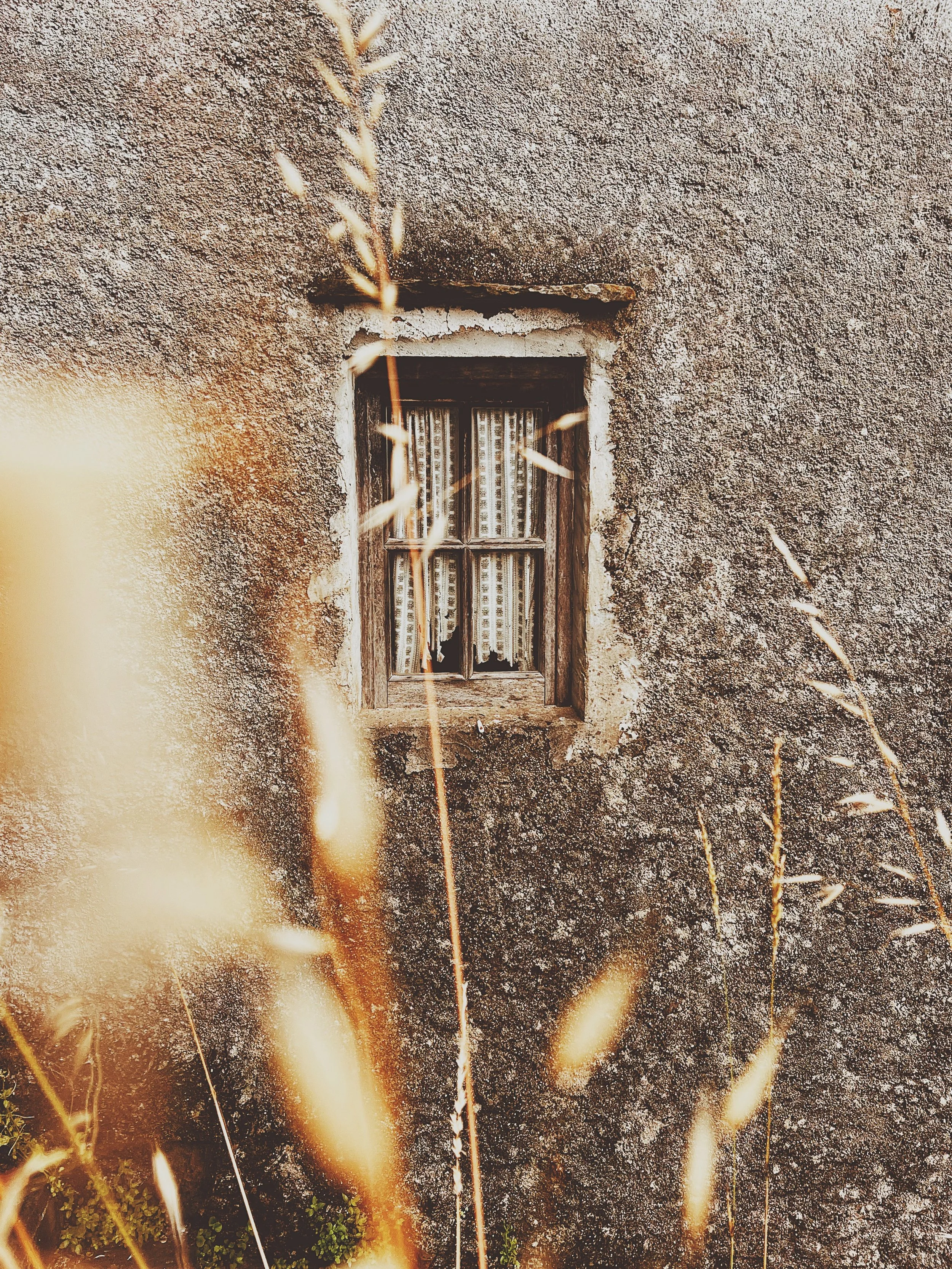
In another, different world, I am eight years old and live on a mountain with my father. This world, a forest world, is tilted; invariably slanted towards the sky. The ground is strewn with soft, green needles and brittle, red leaves. Our house is on a river and a waterwheel churns at the back. Outside the kitchen, poppies bloom in window boxes. My father works at his forge late into the night. Through the cloth that is my doorway, I see the sparks and hear the clang and hiss of metal as I drift to sleep on my cot. My mother has been gone for as long as I can remember. Dead or missing, I could not say.
It’s lovely and strange to listen back to the original demo of Ironsmith’s Daughter. To recognize the tiny filaments of myself within it. And while it really is a bridge to a distant reality, it is also the subliminal convergence of a lifetime of creative influences. The opening guitar line—an homage to countless hours of childhood spent sprawled on the living room floor listening to Maury Laws’ 1977 soundtrack to The Hobbit—is a thread of nostalgia that will probably haunt my music forever. The track’s central ascending theme (and possibly my favorite fifty-five seconds on the entire EP), is saturated with the epic joy of the many Joe Hisaishi soundtracks I’ve enjoyed over the years.
Ironsmith’s Daughter was written, as all the songs on Eladia were, in the heart of winter. It arrived with a sort of startling legitimacy, sliding lithely from another dimension into this one. Here I am.
The guitar theme appeared first. One take, maybe two? Next, a ghostly little quartet of strings went sailing off the intervals of the guitar. Then, percussion. (I was into hitting things back then, objects on my mixing desk, mainly—water bottles, rosin boxes, books.) Last to arrive was the piano, a staid, babbling brook beneath the slow ascent of octaves.
This is the demo that I sent to Andy without fear. Perhaps, because it was the most whole piece, the song that dropped into place almost without my involvement. But also, because it says everything I could hope to say.
It bears mentioning that Andy’s work on this song is the magic dust that brought it all to life. He changed very little from the original demo, subtly enhanced the emotional fabric of the track, and brought the entire world of the song into focus, making it one of my favorite collaborations to date.
+
P R O D U C E R ‘ S N O T E S
by Andy Dollerson
With most of the demos that Richele sends, there’s often a fairly fleshed out idea already. She provides the melodic ideas from her string playing along with rhythmic interest on the acoustic guitar or with looped field recordings and piano ideas. For the most part, I will just re-record or tweak to fit the arrangement or mix better.
On this album in particular, we had a lot of fun setting up a new recording space in Richele’s home and re-recording the strings with some new gear she’d purchased. I’m proud of the quality of tone we pulled out of Richele’s cello and violin.
I particularly love the blend of acoustic instruments with electronic in this piece. I feel like the synth loops underneath provide solidity to the more ethereal guitar and string elements. I also feel like this piece is warm and inviting as well as melancholic, so during the production process, I made choices to ‘warm’ the instruments up, by taking out some of the higher frequencies, especially of the piano and background, lower strings.
+